Fast fashion firm Boohoo is planning to make major cost cuts after it slashed its sales forecast. The retailer - whose brands include PrettyLittleThing - warned that sales could fall by up to 17% this year. Boohoo is facing tough competition from rivals such as Shein, while financially-stretched shoppers are also reining in spending. It said that it had identified £125m of cost savings it will make to try to get the business back on track. The online retailer has been making huge efforts to boost profits in recent months, starting to charge for returns and sourcing goods from Europe rather than from Asia. However, its half-year results showed pre-tax losses at the group widened to £26.4m, compared with £15.4m a year ago. Boohoo had made "substantial progress" on big targets, he added, including the launch of a US distribution centre and earmarking £125m in annual cost cuts to be made throughout its supply chains. It said it would focus on "more profitable" sales within its labels, after downgrading forecasts which previously suggested sales would remain flat or fall by up to 5%.
Wednesday, 4 October 2023
Could Rev Gum Crack The UK?
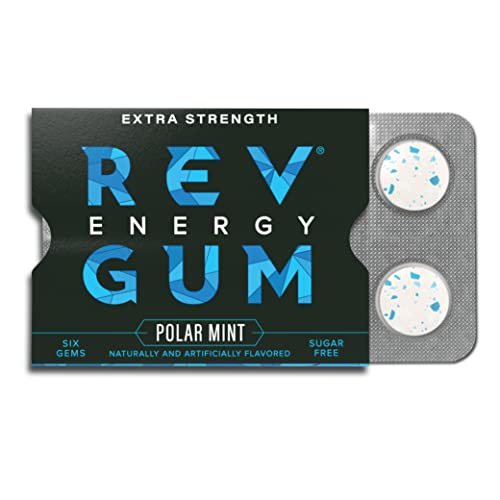
Blake Settle, a type-1 diabetic patient, wanted an energy shot to help study for his final exams at Texas University in 2019. Everyone else was drinking Red Bull, but Blake hated the taste of the no-sugar versions – and couldn’t drink the sugar-loaded straight red can. It turned out to be a light bulb moment. After a huge effort – and expense – on Research & Development, he came up with a formula, which he used to launch Rev Gum. The gum contains less than two calories per piece and delivers 100 milligrams of caffeine — the same amount of energy as a cup of coffee. It comes in six-piece packs in peppermint and spearmint flavours, with a suggested retail price of $2.99. Within two years, the gum was sold at 250 stores in Texas, Arkansas, Oklahoma and Alabama. Then, in September 2023, Blake secured a $6 million investment to back the full national launch of Rev Gum. Could the idea work in the UK? The only downside for a UK launch is the gum market dominance of Wrigley. It has a 94% market share.
Friday, 29 September 2023
£22 Wedding Dress
Brides-to-be can usually be found browsing in chic boutiques or stuffy department stores but now Sainsbury’s is hoping it can persuade them to hit the supermarket aisle instead as they go in pursuit of the perfect wedding dress. This week its mass market fashion brand, Tu clothing, launched its first bridal collection. The initial offering features two dresses, with more “limited edition styles” due to drop in the next couple of weeks. Sizes range from a UK 8 to 24. A white sleeveless, pleated wedding dress costs £22 while a white bias-cut gown is £50. For brides who don’t want to wear a traditional dress, there is a two-piece Bianca Jagger-esque suit, featuring a double-breasted jacket and wide-legged trousers. The set costs £68. Sainsbury’s is the only British supermarket to offer wedding dresses. Tu’s low prices are in sharp contrast to recent research finding that in 2022 an average wedding dress cost £1,350. “We’re always focused on meeting our customers’ evolving needs and we know that many are looking for affordable, classic styles for wedding events,” said director of product at Tu. “We know that for a lot of our customers, money is tight right now.” According to research, the average cost of a wedding next year is expected to be £24,710, up from £17,300 in 2021. As a result many couples are scaling back their wedding plans and reallocating budgets. While a custom-made gown may have previously featured on a bride’s dream mood board, rising housing costs are now taking priority.
Galaxy Shrinkflation
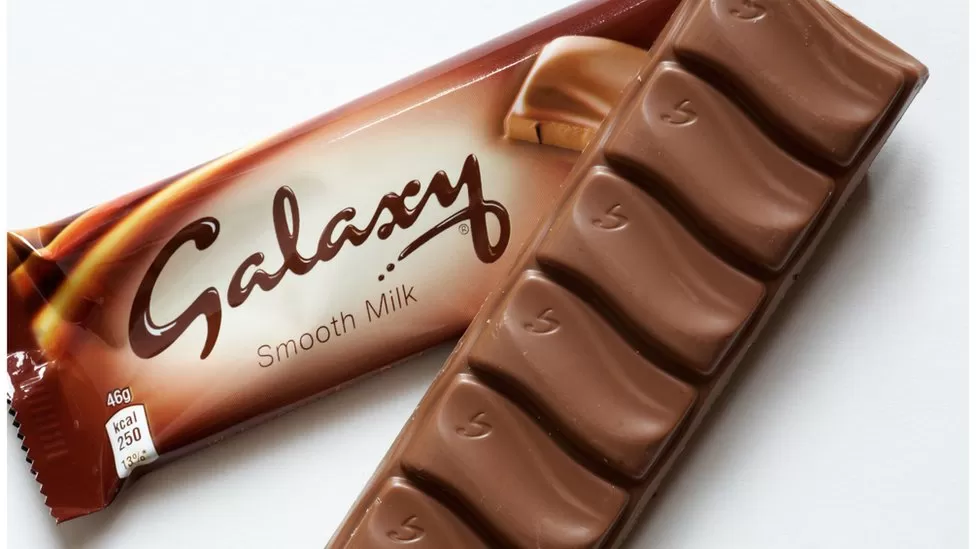
In these inflationary times it is a familiar experience: everyday items, from cat food to ice cream, are cut down in size while prices stay high or even rise. The guardians of the Galaxy brand, Mars Inc, have decided to roll out this repeated plotline for its smooth milk chocolate bars. They were 110g but are now 100g. Last October, the recommended retail price for a bar of Galaxy chocolate was raised from £1.39 to £1.50. But the size had remained the same - until last month. A UK spokesperson for Mars said it was not a decision that was taken lightly but was "necessary". "We have been actively trying to find ways to absorb the rising costs of raw materials and operations, as we know the increase in the cost of living has impacted both consumers and businesses," they said. "Unfortunately, the growing pressures mean that more needs to be done." The practice is legal as long as the quantity stated on the pack is accurate, but it can feel underhand.
Lego Setback on Plastic Free
Toy giant Lego has scrapped plans to make its bricks from recycled bottles, in a blow to its efforts to cut carbon emissions. The company said in 2021 that it aimed to produce bricks not containing crude oil within two years. But on Monday, it said it had found that using the new material didn't reduce carbon emissions. Lego said it remains "fully committed" to making bricks from sustainable materials. Currently, many of Lego's bricks are made using acrylonitrile butadiene styrene (ABS), a virgin plastic made from crude oil. Like many other companies, Lego has been exploring alternative materials to plastic as sustainability becomes more important to customers. One of the challenges has been finding a material that is durable enough to last for generations. In 2021, it said it has developed prototype bricks made from polyethylene terephthalate (PET) bottles, with some other chemicals added. The hope was that material could have offered an alternative to oil-based bricks. But Lego has now revealed that after more than two years of testing, it had found that using recycled PET didn't reduce carbon emissions. It said the reason for that was because extra steps were required in the production process, which meant it needed to use more energy. As a result, it said it has "decided not to progress" with making bricks from the material.It said it was currently testing and developing bricks made from "a range of alternative sustainable materials".
Friday, 22 September 2023
Microsoft Revised Deal
The UK's competition watchdog has said Microsoft's revised offer to buy the Call of Duty maker Activision Blizzard "opens the door" to the deal being cleared. The Competition Markets Authority (CMA) said the updated deal appeared to address concerns it had raised. Under the new proposals, Microsoft will not buy the cloud gaming rights owned by Activision Blizzard. Its original $69bn (£59bn) deal was blocked by UK regulators. Earlier this year, the CMA prevented Microsoft from taking on the whole of Activision over concerns that the deal would harm competition in cloud gaming in the UK. Microsoft then submitted a restructured deal for the competition watchdog to look at last month. Under the new offer, Microsoft agreed to transfer the rights to stream Activision games from the cloud to the French video games publisher Ubisoft for 15 years. The sale to Ubisoft of this portion of Activision's business will mean the cloud streaming of games like Call of Duty, Overwatch and World of Warcraft will not come under Microsoft's control.
H&M Charge for Returns
Fashion giant H&M has become the latest retailer to charge shoppers who return items bought online. On Tuesday it announced customers now must pay £1.99 to return parcels either in store or online, with the cost taken from their refund however it made a U-turn since to say: "There will be no return fee for any parcels returned in store." An H&M spokesperson told the BBC that the information on its website had been "inaccurate" and had now been amended. Rival retailers such as Zara, Boohoo, Uniqlo and Next already charge for online returns. Online shopping rose strongly during the pandemic, but this has also meant a big increase in the number of items being sent back because they do not fit, or are not as expected. Returns can be a headache for retailers, because not only do they often cover the costs of online returns as a way of winning customers from rivals, but it also takes longer for warehouse staff to process returned stock. He said that while some customers might react negatively, most would understand the need for companies to make this decision. Many shoppers are also becoming more aware of the environmental impact of deliveries and returns. Fewer postal returns means fewer delivery vehicles travelling up and down with parcels.
Subscribe to:
Posts (Atom)